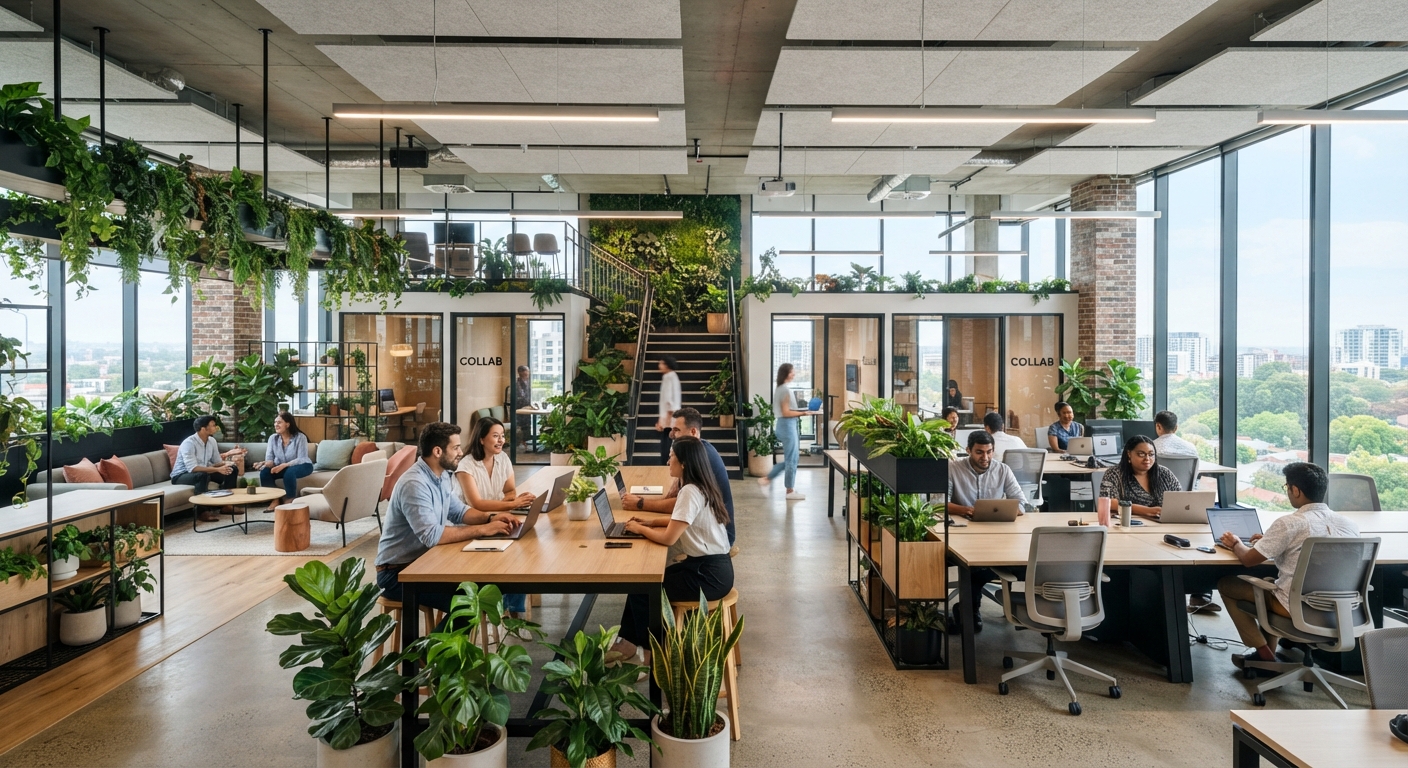
The modern office is evolving. Gone are the days of cubicles, closed doors, and sterile environments. Today’s commercial spaces prioritize flexibility, wellness, and collaboration to attract and retain top talent.
Office design is no longer just about aesthetics—it is a strategic business decision. A well-designed office can:
- Boost employee productivity and satisfaction.
- Attract premium tenants willing to pay higher rents.
- Reduce turnover and improve employee retention.
This guide explores the top modern office design trends shaping the future of commercial real estate.
Trend 1: Biophilic Design
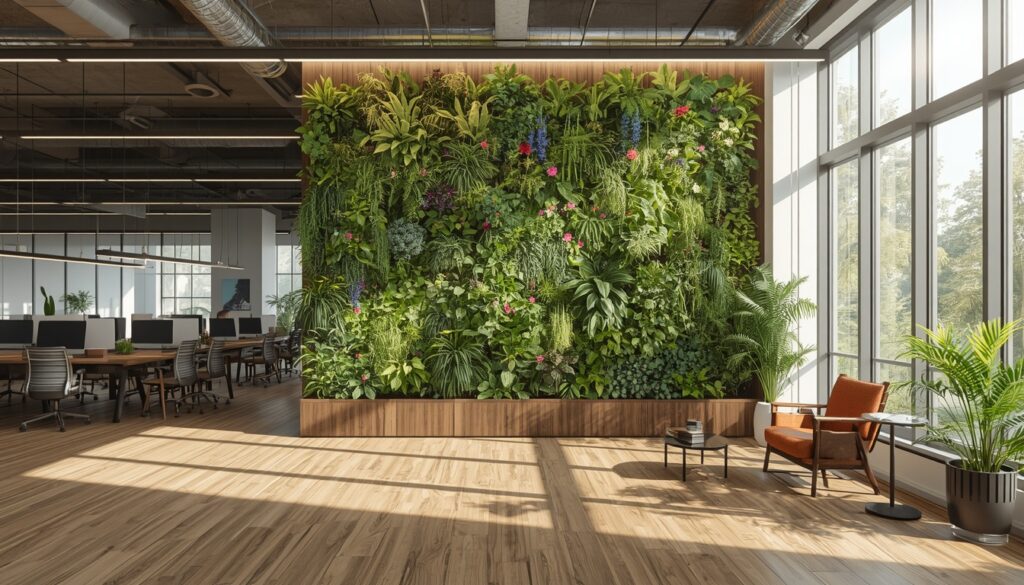
Biophilic design integrates natural elements into the built environment, connecting occupants with nature.
| Feature | Examples | Benefits |
|---|---|---|
| Living Walls | Vertical gardens, moss walls | Improves air quality, reduces stress |
| Natural Light | Large windows, skylights, glass walls | Boosts mood, increases productivity |
| Indoor Plants | Potted plants, green spaces | Reduces noise, enhances aesthetics |
| Natural Materials | Wood, stone, bamboo | Creates warmth, biophilic connection |
| Water Features | Indoor fountains, aquariums | Promotes relaxation and focus |
Why It Matters: Research shows that employees in biophilic offices report 15% higher well-being and 6% higher productivity [1].
Trend 2: Flexible and Hybrid Workspaces
The post-pandemic world demands flexibility. Employees no longer want to be tied to a single desk from 9-to-5.
| Feature | Examples | Benefits |
|---|---|---|
| Activity-Based Workspaces | Quiet zones, collaboration areas, social hubs | Supports different work styles |
| Hot Desking | Unassigned seating, bookable desks | Maximizes space efficiency |
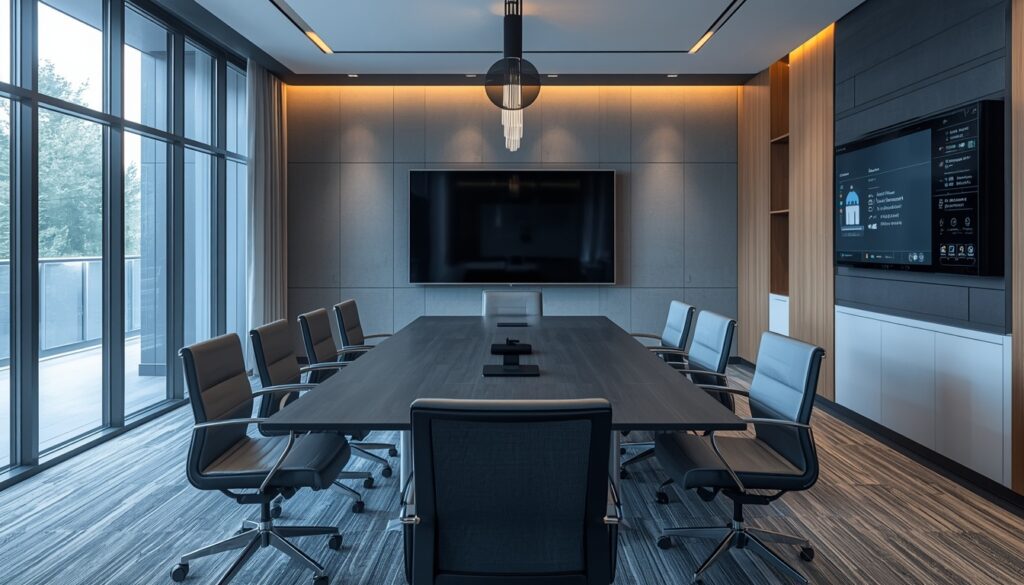
| Remote Integration | Video conferencing, hybrid meeting rooms | Supports hybrid work models |
| Mobile Furniture | Lightweight chairs, modular tables | Easy reconfiguration |
| Bookable Meeting Pods | Acoustic phone booths, huddle rooms | Privacy for calls and focused work |
Why It Matters: Employees who have greater choice in where and how they work tend to report higher engagement and are more likely to stay with their employer, making flexibility an increasingly important factor in talent retention.
Trend 3: Wellness-Centric Design
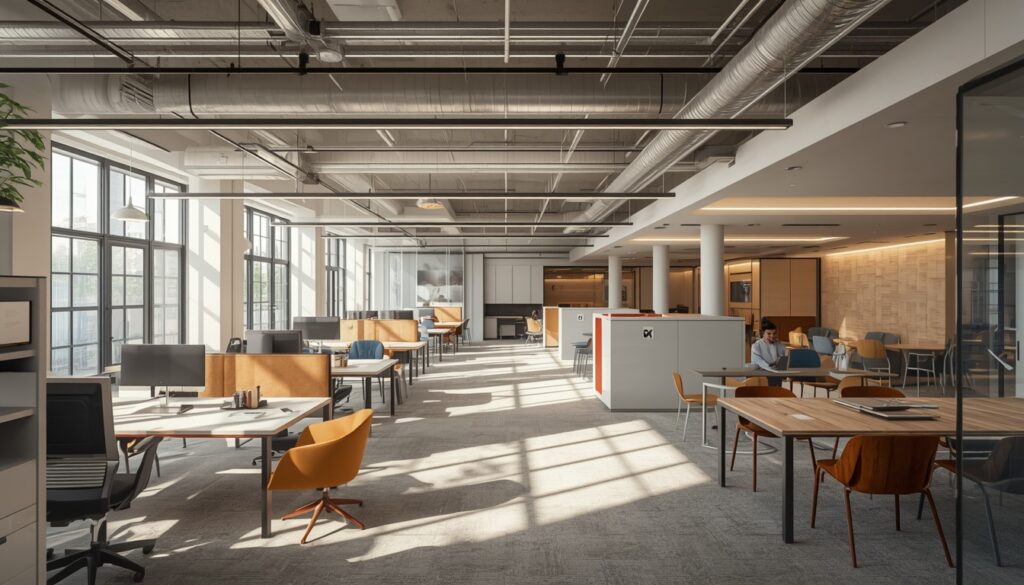
Wellness is no longer a luxury—it is a requirement. Employees expect offices that support their physical and mental health.
| Feature | Examples | Benefits |
|---|---|---|
| Ergonomic Furniture | Adjustable desks, ergonomic chairs | Reduces strain and injuries |
| Healthy Materials | Low-VOC paints, non-toxic finishes | Improves indoor air quality |
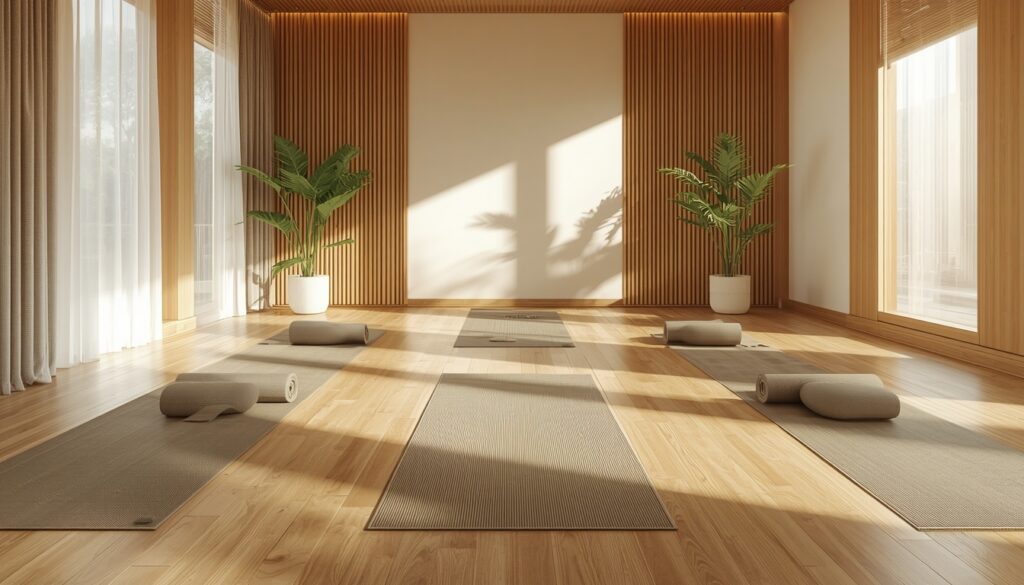
| Fitness Facilities | Gyms, yoga studios, bike storage | Encourages physical activity |
| Wellness Rooms | Quiet rooms, meditation spaces | Reduces stress and burnout |
| Healthy Food Options | Cafes with nutritious meals | Supports healthy eating habits |
Why It Matters: Companies that invest in workplace wellness features tend to see improved employee health outcomes and productivity, though the size of the effect varies significantly by organization and the specific wellness measures implemented.
Trend 4: Smart Office Technology
Technology is transforming the workplace, making offices smarter, safer, and more efficient.
| Feature | Examples | Benefits |
|---|---|---|
| IoT Sensors | Occupancy sensors, smart lighting, temperature controls | Optimizes energy use and comfort |
| Smart Meeting Rooms | Auto-scheduling, video conferencing, wireless presentation | Improves meeting efficiency |
| Digital Wayfinding | Interactive touchscreens, mobile apps | Simplifies navigation |
| Contactless Access | Mobile entry, facial recognition | Enhances security and hygiene |
| Room Booking Systems | Desk and meeting room booking via app | Maximizes space utilization |
Why It Matters: Smart building technologies — including occupancy sensors and automated lighting and climate controls — can meaningfully reduce energy costs and improve the employee experience, though actual savings depend on the systems installed and building size.
Trend 5: Acoustic Comfort
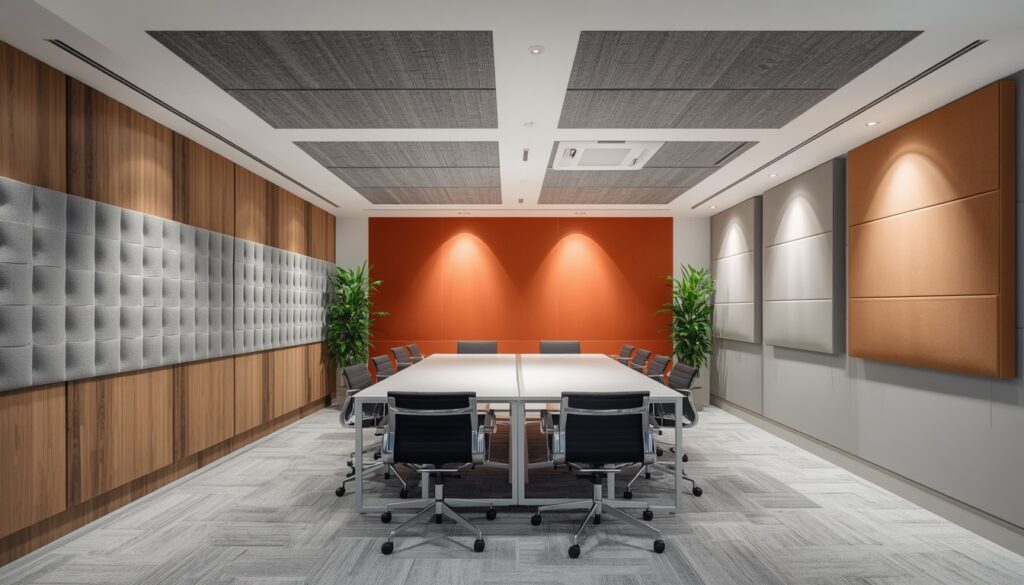
Sound quality is one of the most overlooked aspects of office design. Poor acoustics lead to distraction, stress, and reduced productivity.
| Feature | Examples | Benefits |
|---|---|---|
| Acoustic Panels | Wall and ceiling panels, baffles | Absorbs noise and reduces echo |
| Carpet and Soft Flooring | Area rugs, acoustic tiles | Reduces footfall noise |
| Acoustic Furniture | Soundproof pods, phone booths | Provides quiet spaces for focus |
| Background Sound Masking | White noise, ambient sound systems | Covers distracting conversations |
Why It Matters: Poor acoustics are consistently cited as one of the top workplace distractions. A 2015 World Green Building Council report found that background noise in open offices can reduce productivity by up to 66% [2].
Trend 6: Adaptive Reuse and Sustainable Design
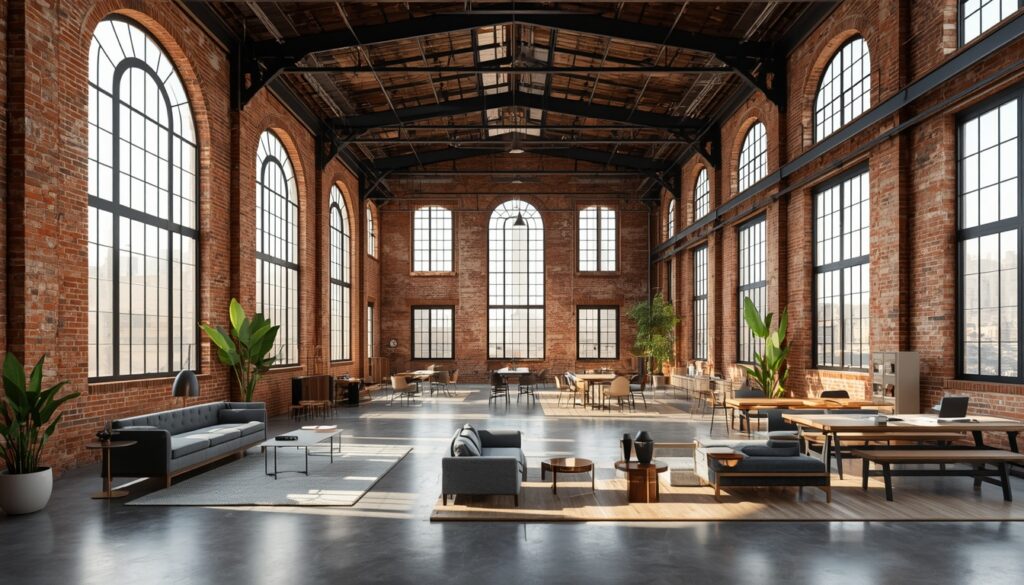
Sustainability is no longer an afterthought—it is a core design principle. Adaptive reuse (converting existing buildings) is becoming increasingly popular.
| Feature | Examples | Benefits |
|---|---|---|
| Adaptive Reuse | Converting warehouses, factories, or churches into offices | Reduces construction waste and costs |
| Sustainable Materials | Recycled, reclaimed, and locally sourced materials | Reduces carbon footprint |
| Energy Efficiency | Solar panels, high-performance windows, smart controls | Lowers operating costs |
| Green Certifications | LEED, WELL, BREEAM certification | Increases property value and marketability |
Why It Matters: Tenant demand for sustainable office space has been rising, and some tenants are willing to pay a rent premium for it — though survey data on how many tenants and how much of a premium varies considerably by market and year, with willingness-to-pay figures generally in the low single digits to low double digits rather than a fixed universal number.
Trend 7: Community and Social Spaces
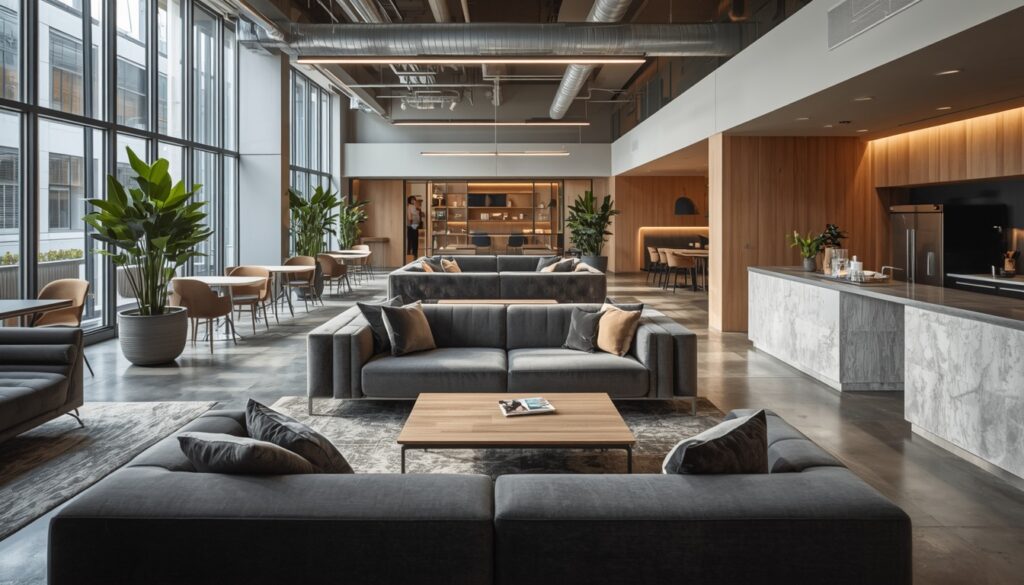
Offices are becoming social hubs where employees gather, connect, and build relationships.
| Feature | Examples | Benefits |
|---|---|---|
| Breakout Areas | Lounge seating, game rooms, cafes | Encourages casual interaction |
| Event Spaces | Town halls, training rooms, rooftop terraces | Hosts company events and clients |
| Community Amenities | Showers, bike storage, pet-friendly policies | Supports work-life balance |
| Art and Branding | Murals, branded installations, curated art | Strengthens company culture |
Why It Matters: Offices designed to foster social connection tend to see stronger employee engagement and a greater sense of belonging, contributing to a more positive workplace culture overall.
Conclusion
The modern office is a strategic asset, not just a place to work. By embracing these design trends—biophilic design, flexible workspaces, wellness, smart technology, acoustics, sustainability, and community—you can create spaces that attract and retain top tenants.
Take Action Today:
- Audit your current office space against these trends.
- Identify upgrades that offer the highest ROI.
- Consult with a design professional to implement changes.
- Market your building’s features to attract premium tenants.
References & Notes
[1] Human Spaces, “The Global Impact of Biophilic Design in the Workplace,” 2015; Cornell University / View, Inc. daylight workplace study, 2018.
[2] World Green Building Council, “Health, Wellbeing & Productivity in Offices: The Next Chapter for Green Building,” 2015 — cited productivity impact of background noise in open-plan offices.