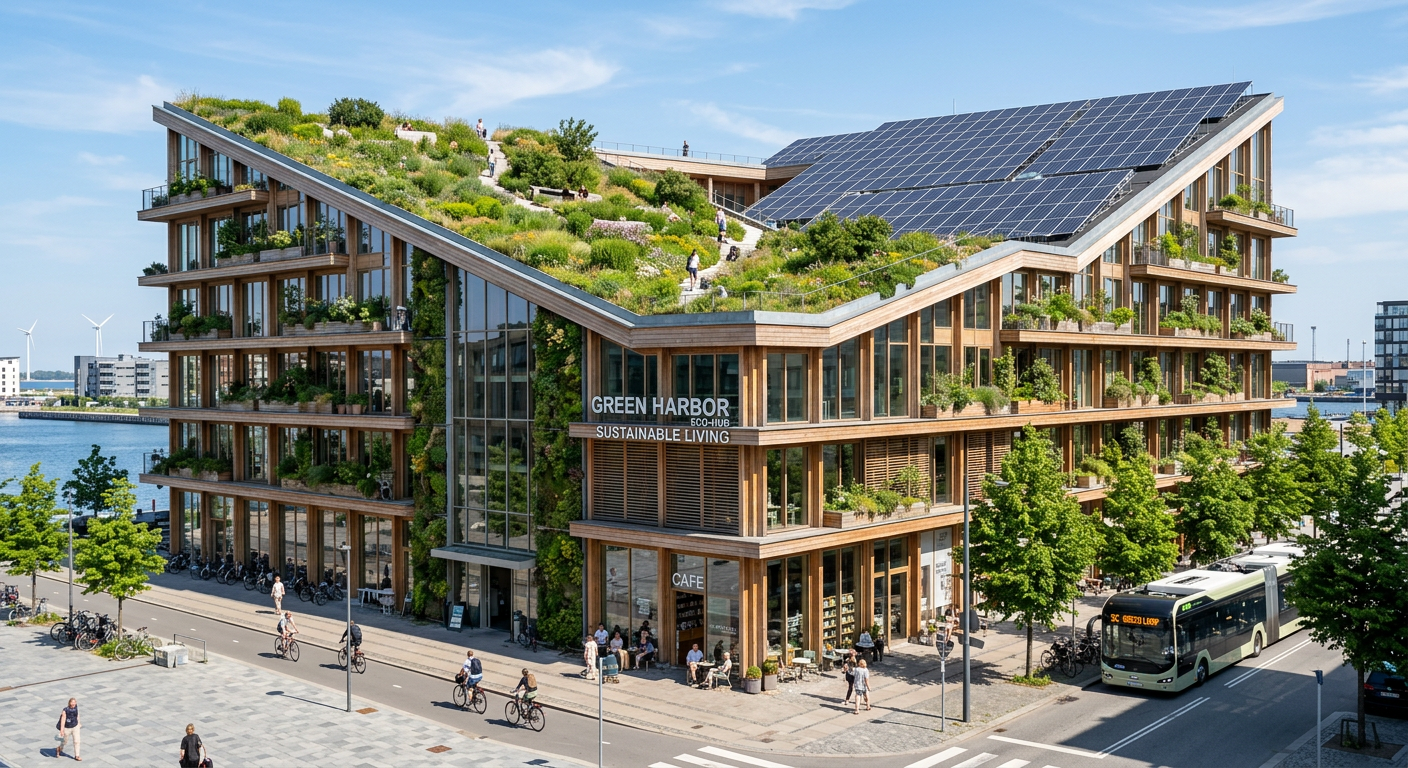
Sustainability is no longer a “nice-to-have”—it is a business necessity. Commercial properties with green building certifications command higher rents, attract premium tenants, and have lower operating costs.
Green building certifications provide third-party verification that a building meets specific environmental and health standards. They signal to tenants, investors, and the community that your property is responsible, efficient, and future-proof.
This guide covers the most prominent green building certifications for commercial properties, including:
-
LEED
-
BREEAM
-
WELL
-
Green Globes
-
Living Building Challenge
-
ENERGY STAR
-
Fitwel
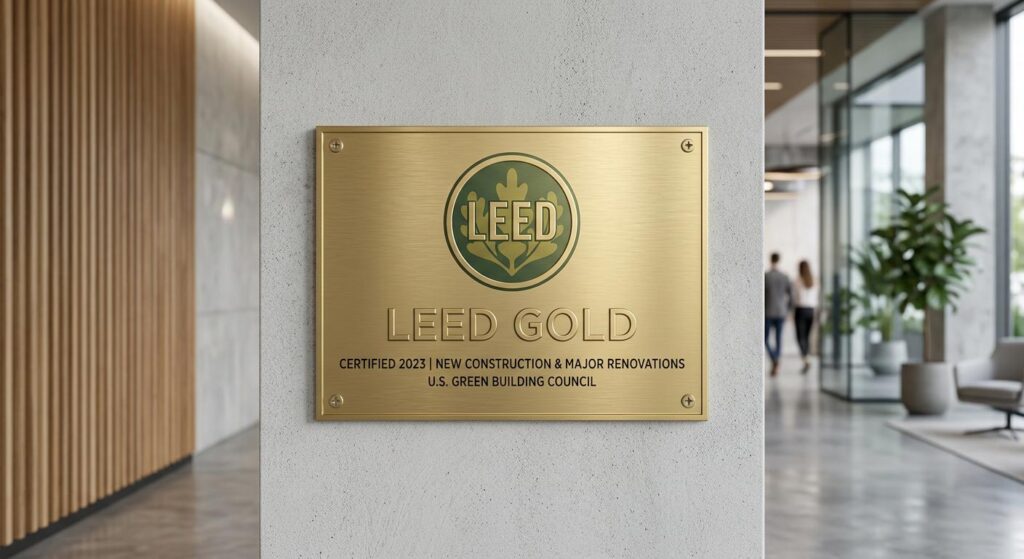
Section 1: LEED (Leadership in Energy and Environmental Design)
LEED is the most widely used green building certification system in the world, developed by the U.S. Green Building Council (USGBC).
| Aspect | Details |
|---|---|
| Developer | U.S. Green Building Council (USGBC) |
| Rating Levels | Certified, Silver, Gold, Platinum |
| Categories | 9 categories including Energy, Water, Materials, Indoor Environment, Location |
| Best For | Most commercial buildings (offices, retail, healthcare, schools) |
Key Benefits:
-
20–30% lower energy costs.
-
35% lower carbon emissions.
-
Higher property values and tenant retention.
Cost: Varies by project size; typically $0.50–$2.00 per square foot.
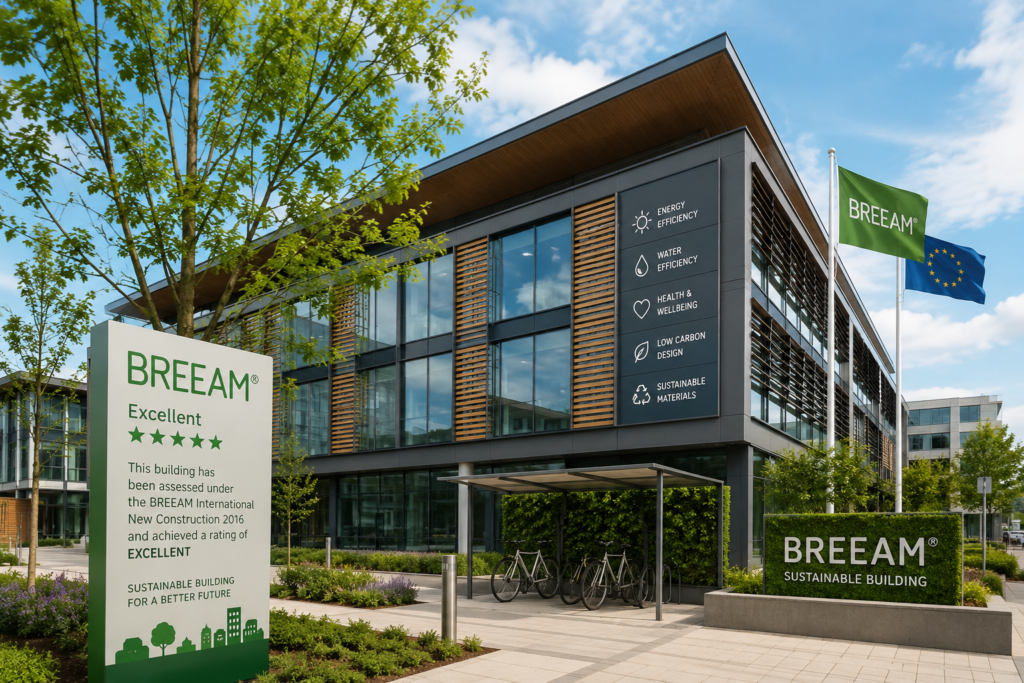
Section 2: BREEAM (Building Research Establishment Environmental Assessment Method)
BREEAM is the world’s longest-established green building certification, originating in the UK and widely used in Europe and internationally.
| Aspect | Details |
|---|---|
| Developer | Building Research Establishment (BRE) |
| Rating Levels | Pass, Good, Very Good, Excellent, Outstanding |
| Categories | 10 categories including Energy, Health, Water, Materials, Pollution, Transport |
| Best For | International projects, Europe-based developments |
Key Benefits:
-
Proven track record with over 2 million buildings certified.
-
Strong focus on whole-building life cycle assessment.
-
Recognized by investors and tenants globally.
Cost: Varies by project size and location.
Section 3: WELL Building Standard
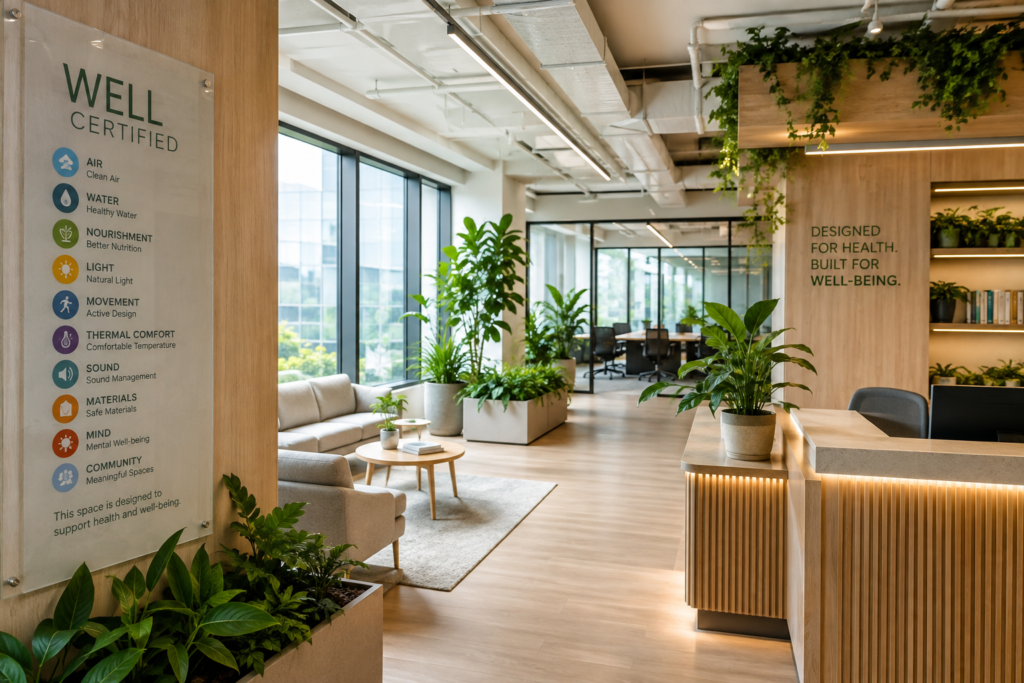
WELL focuses exclusively on human health and wellness in the built environment. It is ideal for office buildings, healthcare, and hospitality.
| Aspect | Details |
|---|---|
| Developer | International WELL Building Institute (IWBI) |
| Rating Levels | Silver, Gold, Platinum |
| Categories | 10 categories: Air, Water, Nourishment, Light, Movement, Thermal Comfort, Sound, Materials, Mind, Community |
| Best For | Offices, corporate headquarters, healthcare, residential |
Key Benefits:
-
Improves occupant health and productivity.
-
Reduces absenteeism and turnover.
-
Attracts top talent and premium tenants.
Cost: Typically $1.00–$3.00 per square foot.
Section 4: Green Globes
Green Globes is a practical, affordable alternative to LEED, widely used in the U.S. and Canada.
| Aspect | Details |
|---|---|
| Developer | Green Building Initiative (GBI) |
| Rating Levels | 1 Green Globe to 4 Green Globes |
| Categories | Energy, Water, Materials, Indoor Environment, Site, Emissions |
| Best For | Commercial buildings, educational facilities, multi-family residential |
Key Benefits:
-
Less costly and time-consuming than LEED.
-
Online assessment and third-party verification.
-
Recognized by federal and state governments.
Cost: Approximately $0.20–$0.60 per square foot.
Section 5: Living Building Challenge
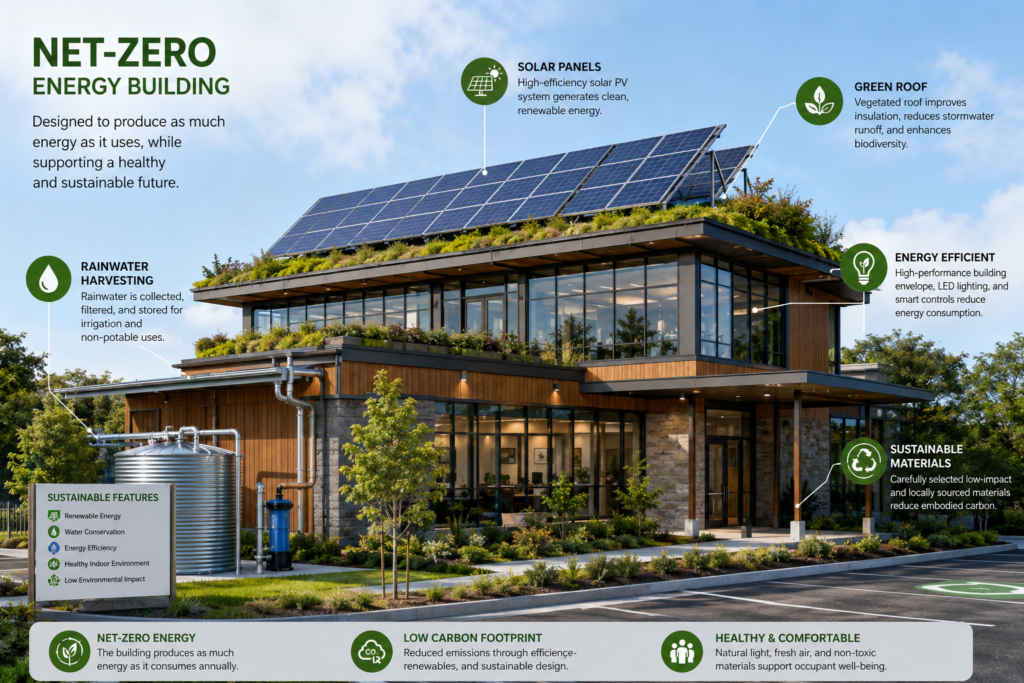
The Living Building Challenge is the most rigorous green building certification, focusing on “living buildings” that generate their own energy and water.
| Aspect | Details |
|---|---|
| Developer | International Living Future Institute (ILFI) |
| Rating Levels | Certified, Petal Certification, Net Zero Energy, Net Zero Water |
| Categories | 7 petals: Place, Water, Energy, Health, Materials, Equity, Beauty |
| Best For | Highly ambitious projects, institutional buildings, educational campuses |
Key Benefits:
-
Achieves net-zero energy and water.
-
Builds long-term resilience.
-
Sends a powerful message about sustainability.
Cost: Highly variable; generally higher than other certifications due to its ambition.
Section 6: ENERGY STAR
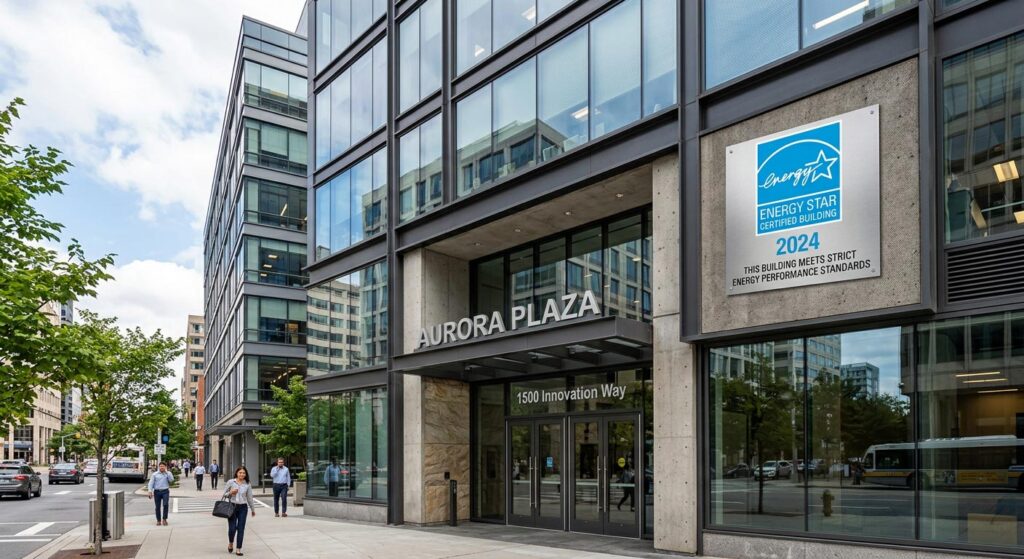
ENERGY STAR is a simple, cost-effective certification focused on energy efficiency.
| Aspect | Details |
|---|---|
| Developer | U.S. Environmental Protection Agency (EPA) |
| Rating Levels | ENERGY STAR Certified (top 25% of similar buildings) |
| Categories | Energy efficiency only |
| Best For | Office buildings, retail, schools, hotels, healthcare |
Key Benefits:
-
Lower energy costs (typically 20–30% savings).
-
Fast and cost-effective to achieve.
-
Highly recognized by tenants and investors.
Cost: Minimal; primarily documentation and verification fees.
Section 7: Fitwel
Fitwel is a relatively new certification focused on health and wellness for all building types, with a strong emphasis on physical activity and community.
| Aspect | Details |
|---|---|
| Developer | Center for Active Design (CfAD) |
| Rating Levels | 1 Star, 2 Star, 3 Star |
| Categories | 7 categories: Community, Health, Safety, Well-being, Equity, Sustainability, Resilience |
| Best For | Office buildings, retail, multi-family, community centers |
Key Benefits:
-
Low-cost and easy to implement.
-
Focus on occupant well-being and community engagement.
-
Rapidly gaining recognition.
Cost: Approximately $0.10–$0.50 per square foot.
Section 8: Comparison and Decision Guide
| Certification | Focus | Cost | Complexity | Best For |
|---|---|---|---|---|
| LEED | Energy, Environment, Materials | $$ | High | Most commercial buildings |
| BREEAM | Whole-building life cycle | $$ | High | International projects |
| WELL | Human health and wellness | $$$ | High | Offices, healthcare |
| Green Globes | Practical sustainability | $ | Medium | Commercial buildings |
| Living Building | Net-zero energy and water | $$$$ | Very High | Ambitious institutional projects |
| ENERGY STAR | Energy efficiency | $ | Low | Most commercial buildings |
| Fitwel | Health and community | $ | Low | Offices, multi-family |
Section 9: Benefits of Green Certifications
Why invest in green building certifications?
| Benefit | Impact |
|---|---|
| Higher Rents | LEED-certified buildings command 10–20% higher rents. |
| Lower Operating Costs | Energy and water savings of 20–40%. |
| Higher Occupancy | Certified buildings attract and retain tenants. |
| Increased Property Value | Green buildings sell at a premium. |
| Regulatory Compliance | Meet evolving building codes and energy standards. |
| Brand Reputation | Demonstrate commitment to sustainability. |
| Healthier Occupants | Improved productivity and reduced absenteeism. |
Conclusion
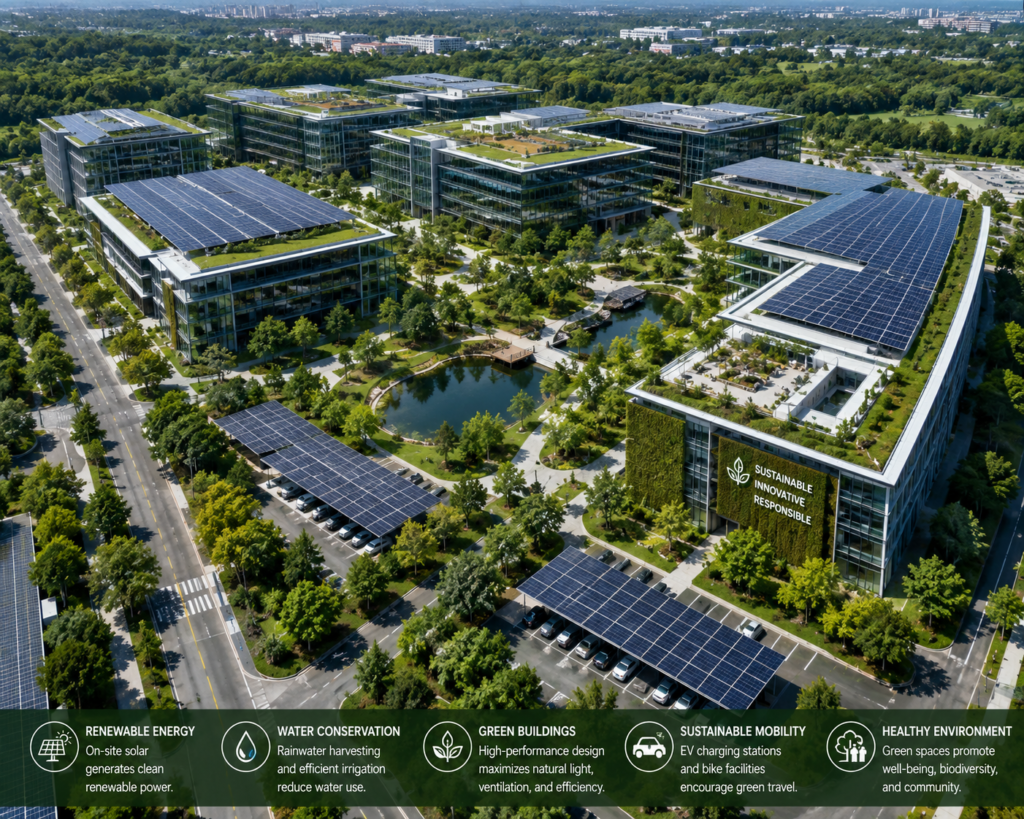
Green building certifications are no longer optional for forward-thinking property owners and developers. They are a competitive advantage that attracts tenants, reduces costs, and demonstrates leadership.
Take Action Today:
-
Assess your building against certification criteria.
-
Set a sustainability goal (e.g., LEED Gold or ENERGY STAR).
-
Engage a sustainability consultant to guide the process.
-
Market your certification to attract premium tenants.