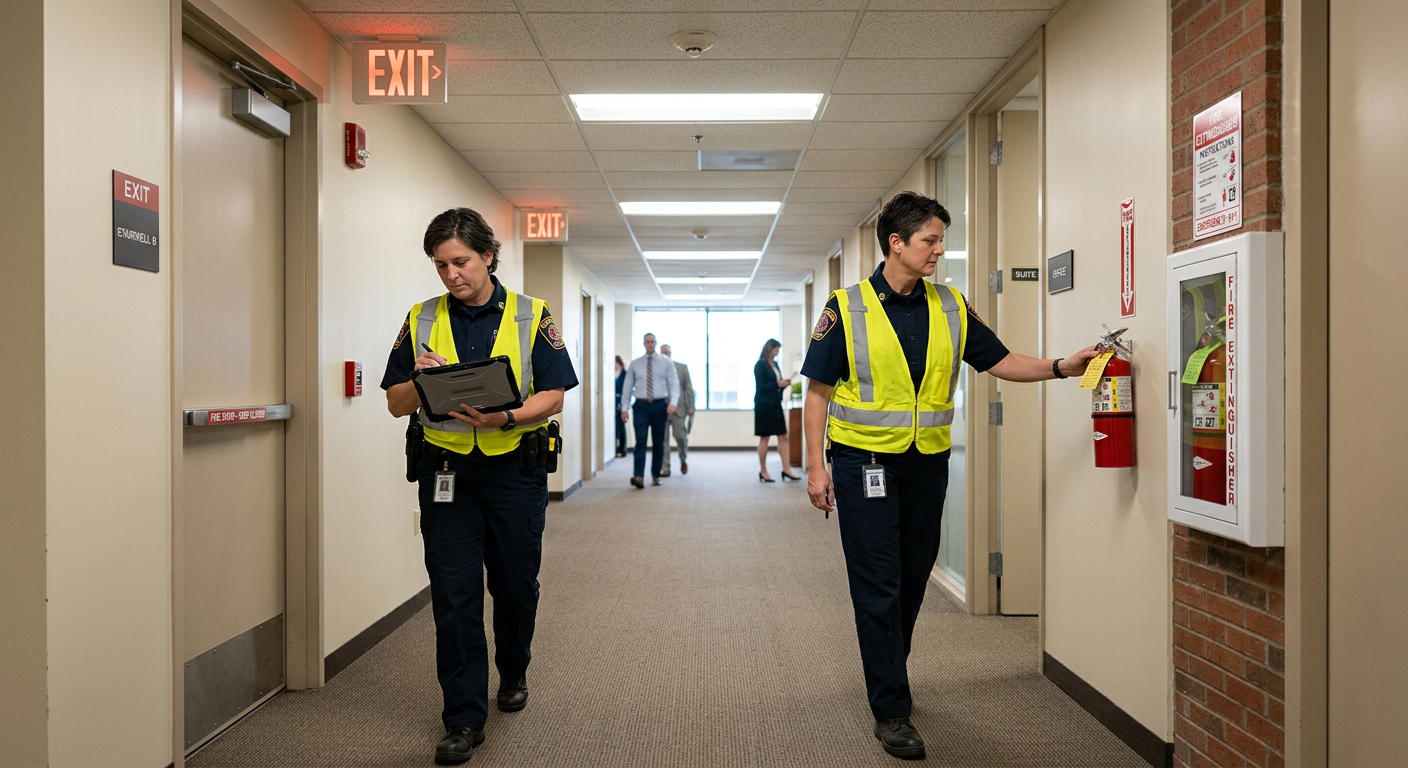
A fire department inspection can be stressful, but it doesn’t have to be. With proper preparation, you can approach the inspection with confidence, avoid fines, and demonstrate your commitment to safety.
Fire department inspections verify compliance with fire codes, evaluate life safety systems, and ensure that emergency preparedness is adequate. For commercial properties, these inspections directly influence insurance underwriting, risk pricing, and claim admissibility.
This guide provides a step-by-step preparation process for a fire department inspection.
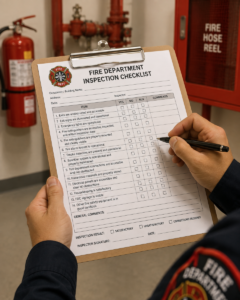
Section 1: Understand What the Inspection Covers
Before you can prepare effectively, you need to know what a fire department inspection evaluates. Inspectors typically review every system, fixture, and process that plays a role in fire prevention and emergency response [1].
The Scope of an Inspection:
| Area | What Is Evaluated |
|---|---|
| Fire Alarm Systems | Control panels, pull stations, notification devices, monitoring connections, inspection tags. |
| Fire Sprinkler Systems | Pressure, unobstructed heads, current service reports, control valve status. |
| Fire Extinguishers | Placement, accessibility, inspection tags, proper mounting, charge level. |
| Means of Egress | Exits, corridors, stairways, exit signs, emergency lighting. |
| Electrical Systems | Panels, wiring, extension cords, clearance, overcurrent protection. |
| Storage and Housekeeping | Combustible materials, clearance from sprinklers, orderly storage. |
| Documentation | Inspection reports, maintenance logs, service records. |
Why It Matters: Understanding the scope of an inspection helps you approach your preparation with a clear checklist in mind rather than guessing where problems might exist.
Section 2: Review Past Inspection Reports
Start your preparation by going through your last inspection report. Make sure all previous deficiencies are corrected inspectors will check if past issues were addressed.
What to Look For:
| Item | Action |
|---|---|
| Deficiency Corrections | Verify that all past violations have been fixed and documented. |
| Outstanding Issues | Address any items that were noted but not yet corrected. |
| Patterns | Identify recurring issues to prevent future violations. |
Pro Tip: Keep a dedicated binder near the fire alarm panel containing all inspection, maintenance, and service reports. A fire marshal can request them anytime.
Section 3: Fire Alarm System Preparation
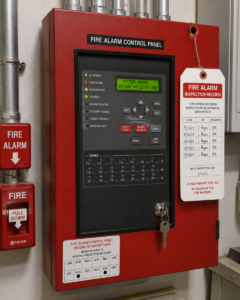
Inspectors will check every component of your fire alarm system.
Fire Alarm System Checklist:
| Item | Requirement |
|---|---|
| Annual Inspection | Ensure your annual inspection (per NFPA 72) is up to date [2]. |
| Control Panel | No trouble signals or error codes; all zones reporting correctly. |
| Pull Stations | Accessible, properly mounted, and in working condition. |
| Notification Devices | Horns, strobes, and speakers operational. |
| Smoke and Heat Detectors | Clean, properly located, and functional. |
| Monitoring | Verify communication with the central monitoring station. |
| Inspection Tags | Current service tags on all devices. |
Common Violation: A dusty alarm panel with no documentation raises concern. Keep records organized.
Section 4: Fire Sprinkler System Preparation
The fire marshal inspects all visible sprinkler components to ensure they are in proper condition [3].
Fire Sprinkler Checklist:
| Item | Requirement |
|---|---|
| Sprinkler Heads | Unobstructed, unpainted, free of corrosion. |
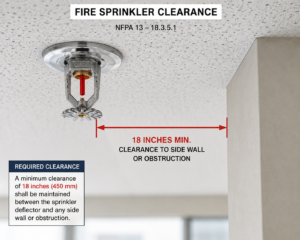
| Clearance | 18-inch clearance below all sprinkler heads. |
| Control Valves | All valves open, properly secured or supervised, with appropriate signage. |
| Service Reports | Current inspection and service records. |
| Spare Heads and Wrench | Supply of spare heads and special wrench available. |
Common Violation: Fresh paint on a sprinkler head can lead to a citation. Even a fresh coat of paint can affect performance.
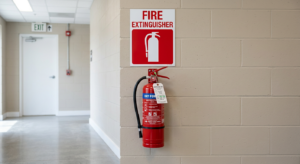
Section 5: Fire Extinguisher Preparation
Fire extinguishers are one of the most frequently cited items in inspections [4].
Fire Extinguisher Checklist:
| Item | Requirement |
|---|---|
| Annual Inspection | Inspected and tagged within the past year. |
| Charge Level | Pressure gauge in the green zone. |
| Placement | Properly mounted on a hanger or bracket; top no more than 3.5 feet above the floor. |
| Accessibility | Not blocked by furniture, equipment, or merchandise. |
| Visibility | Clearly visible; not obstructed or obscured. |
| Travel Distance | Not more than 75 feet to an extinguisher; 30 feet from commercial cooking equipment. |
| Glass Cabinet | Breaker provided if extinguisher in a locked glass cabinet. |
Common Violation: Expired or non-functional fire extinguishers are among the most frequently observed lapses.
Section 6: Means of Egress Preparation
Exit routes are a critical focus area for fire marshals [5].
Means of Egress Checklist:
| Item | Requirement |
|---|---|
| Exits Clear | Exits, aisles, and corridors free of obstructions. |
| Exit Signs | Illuminated and visible from all directions. |
| Emergency Lighting | Functional; tested for 90-minute duration. |
| Door Hardware | Proper panic hardware or fire exit hardware where required. |
| Door Swing | Exit doors swing in the direction of egress travel. |
| Door Operation | Open easily from inside without key or special knowledge. |
| Stairways | Clear, free from storage, and in good condition. |
Common Violation: Blocked exits and obstructed pathways constitute immediate violations that must be corrected before reinspection.

Section 7: Electrical Safety Preparation
Electrical hazards are a major source of fire risk [6].
Electrical Safety Checklist:
| Item | Requirement |
|---|---|
| Extension Cords | Not used as permanent wiring. |
| Electrical Panels | Labeled and unobstructed; 30-inch clearance provided. |
| Wiring | Proper insulation; no exposed or loose connections. |
| Overload Protection | Circuit breakers present. |
| Power Strips | With circuit breakers; not daisy-chained. |
| Space Heaters | More than 3 feet from combustible materials. |
Common Violation: Extension cords used in place of permanent wiring and overloaded outlets are common red flags.
Section 8: Storage and Housekeeping Preparation
Housekeeping Checklist:
| Item | Requirement |
|---|---|
| Combustible Storage | Kept away from heaters and mechanical equipment. |
| Sprinkler Clearance | 18 inches below sprinkler heads. |
| Ceiling Clearance | 24 inches below un-sprinklered ceilings. |
| Flammable Liquids | Properly stored and dispensed; away from ignition sources. |
| Gas Cylinders | Secured. |
| General Order | Premises free from combustible waste accumulation. |
Common Violation: Improper storage of flammable materials is repeatedly identified across commercial properties.

Section 9: Essential Documentation
Documentation carries equal weight with physical equipment [7] during inspections.
Documents to Have Ready:
| Document | Retention | Purpose |
|---|---|---|
| Annual inspection reports | 3-5 years | Proves compliance with inspection schedules. |
| Quarterly inspection records | 3 years | Documents ongoing monitoring. |
| Maintenance service logs | 3 years | Shows repair and maintenance history. |
| Deficiency correction records | Until resolved + 1 year | Demonstrates timely response to issues. |
| Fire drill records | 3 years | Documents occupant training. |
| Equipment certificates | Current | Validates professional maintenance. |
Pro Tip: Keep a dedicated binder near the fire alarm panel with all inspection, maintenance, and service reports organized for quick access.
Section 10: Training and Preparedness
Inspectors evaluate staff readiness during inspections [8].
Training Checklist:
| Item | Requirement |
|---|---|
| Fire Drills | Conducted at regular intervals; documented. |
| Staff Training | Basic firefighting techniques; extinguisher use. |
| Emergency Response Teams | Designated and trained. |
| Evacuation Plans | Displayed prominently; assembly points communicated. |
Pro Tip: A quick refresher before inspection day shows your commitment to safety and compliance.

Section 11: What to Expect on Inspection Day
The Walkthrough Flow:
| Phase | What Happens |
|---|---|
| 1. Documentation Review | Inspector reviews maintenance logs, previous reports, and system certifications. |
| 2. Physical Walkthrough | Inspector moves methodically through the property, observing corridors, storage areas, mechanical rooms, and common spaces. |
| 3. System Testing | Inspector may test alarm components or request a system activation. |
| 4. Findings Discussion | Inspector discusses findings; some issues may require immediate correction, others come with a compliance deadline. |
Pro Tip: Staff should remain available to answer questions but avoid hovering—it can make the process more stressful.
Section 12: Common Violations and How to Avoid Them
| Violation | Why It’s a Problem | How to Fix |
|---|---|---|
| Blocked exits | Immediate life safety hazard | Clear all obstructions; enforce no-storage policies. |
| Expired fire extinguishers | Equipment may not function | Schedule annual inspections; maintain tags. |
| Non-operational fire alarm | Occupants may not be alerted | Test systems; address trouble signals. |
| Poor electrical maintenance | Major source of fire risk | Conduct thermographic inspections; address wiring issues. |
| Improper storage of flammables | Increases ignition probability | Designate storage areas; follow MSDS guidelines. |
| Lack of documented fire drills | Occupants unprepared | Conduct and document regular drills. |
Conclusion
A fire department inspection is more than a compliance tool—it is a cornerstone of effective fire risk management. By following this preparation guide, you can approach inspections with confidence, avoid fines, and ensure your building is truly safe.
Take Action Today:
-
Review past inspection reports and address outstanding deficiencies.
-
Conduct a mock inspection using the checklists provided.
-
Organize all documentation in a dedicated binder.
-
Schedule professional maintenance for fire protection systems.
-
Train staff on fire safety procedures and evacuation plans.
-
Walk the building and clear all obstructions from exits and equipment.
Continue Reading from Our Series:
-
Read more about: How to Conduct a Fire Safety Audit
-
Learn more: Common NFPA 101 Violations and How to Fix Them
-
Related guide: Commercial Building Fire Safety Plan: Development and Implementation
**References & Notes:**
[1] NFPA 1, Fire Code, National Fire Protection Association. [2] NFPA 72, National Fire Alarm and Signaling Code. [3] NFPA 13, Standard for the Installation of Sprinkler Systems; NFPA 25, Standard for the Inspection, Testing, and Maintenance of Water-Based Fire Protection Systems. [4] NFPA 10, Standard for Portable Fire Extinguishers. [5] NFPA 101, Life Safety Code. [6] NFPA 70, National Electrical Code (NEC). [7] NFPA 25; local Authority Having Jurisdiction (AHJ) recordkeeping requirements. [8] NFPA 101, Chapter 4 — Fire Drills and Emergency Egress Training.