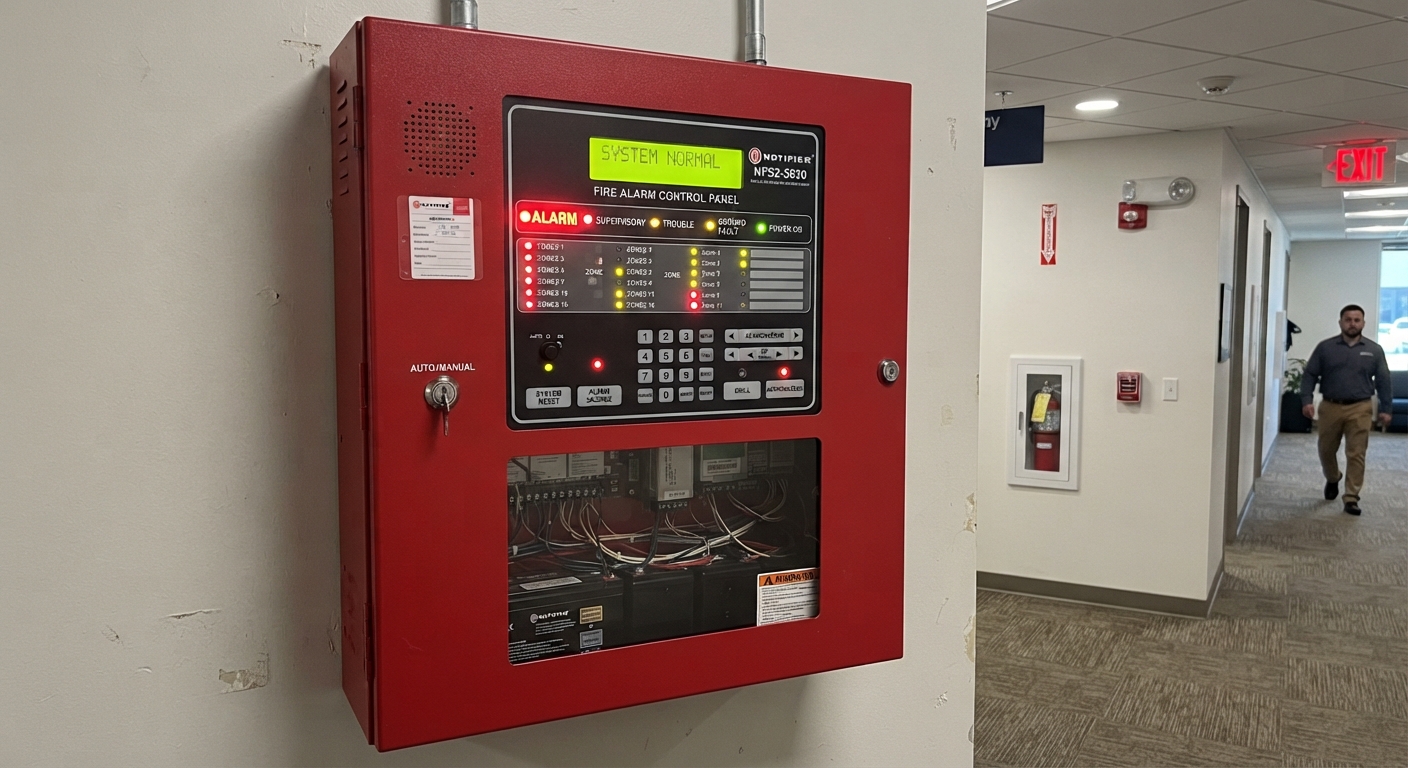
Not every commercial building requires a fire alarm system. The requirements depend on the occupancy type, the building size, and the occupant load. Knowing when a fire alarm is required can save you from costly design errors and code violations.
This quick-reference guide summarizes the NFPA 101 fire alarm system requirements for different occupancy types. Always verify with your local authority having jurisdiction (AHJ) and the latest edition of NFPA 101.
Fire Alarm Requirements by Occupancy Type
| OCCUPANCY TYPE | CODE REF. | FIRE ALARM REQUIREMENTS |
|---|---|---|
| AMBULATORY | (20.3.4.1, and 9.6) | ✅ Yes – Required to be provided with a fire alarm system. |
| ASSEMBLY | (12.3.4.1, and 9.6) | ✅ Yes – Required when the occupant load is more than 300 occupants. |
| BUSINESS | (38.3.4.1, 38.3.4.2, and 9.6) | ✅ Yes – Required when any of the following conditions exist:
|
| EDUCATIONAL | (14.3.4.1, and 9.6) | ✅ Yes – Required.
Exceptions:
|
| HEALTHCARE | (18.3.4.1, and 9.6) | ✅ Yes – Required to be provided with a fire alarm system. |
| ONE & TWO FAMILY DWELLINGS | (24.3.4.1, and 9.6) | ⚠️ Smoke Alarms Required – Not a full fire alarm system. Smoke alarms shall be installed in:
|
| HOTELS & DORMITORIES | (28.3.4.1, and 9.6) | ✅ Yes – Required.
Additional Requirements:
|
| APARTMENTS | (30.3.4.1, and 9.6) | ✅ Yes – Required if the apartment building has 4 or more stories in height or more than 11 dwelling units.
Not required when each dwelling unit is separated by at least a 1-hour fire barrier. |
| MERCANTILE | (36.3.4.1, and 9.6) | ✅ Yes – Required for ‘Class A’ mercantile occupancy. |
| INDUSTRIAL | (40.3.4.1, and 9.6) | ✅ Yes – Required.
Exceptions:
|
| STORAGE |
|
✅ Yes – Required.
Exceptions:
|
How Fire Alarm Systems Work
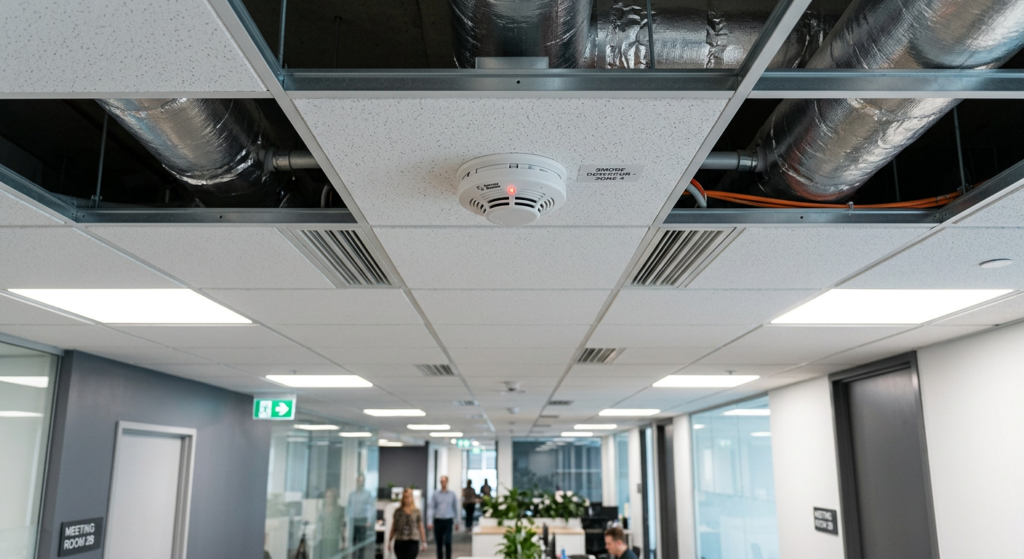
All fire alarm systems operate on the same basic principle:
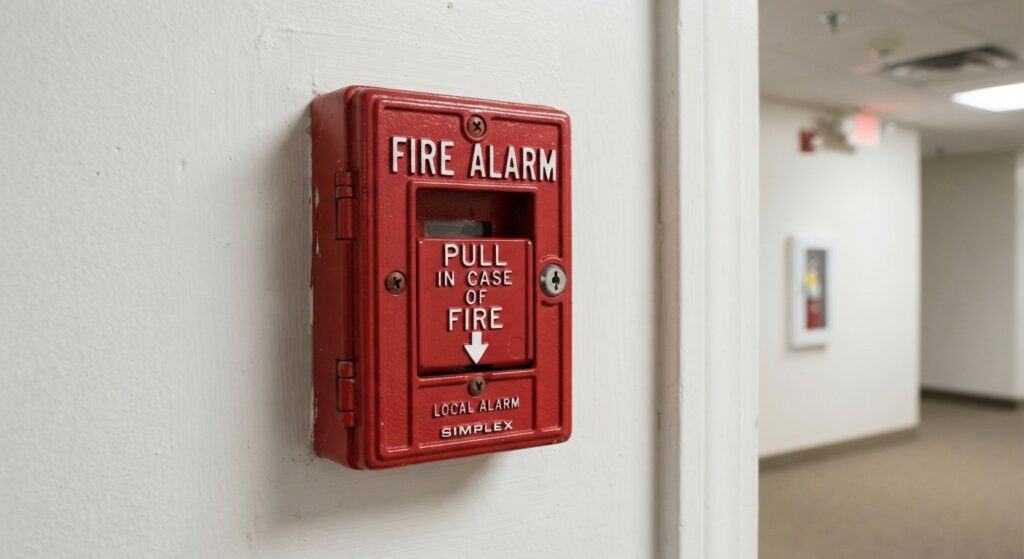
“If a detector detects smoke or heat, or someone operates a manual pull station (break glass unit), the alarm sounders operate to warn occupants that there may be a fire and to evacuate.”
Fire alarm systems may also incorporate remote signaling equipment to alert the fire brigade via a central station.
Types of Fire Alarm Systems
Fire alarm systems can be broken down into four main categories:
| Type | Description |
|---|---|
| Conventional | Divides the building into zones; each zone is wired to a specific circuit on the control panel. |
| Addressable | Each device has a unique address; the control panel identifies exactly which device has been activated. |
| Analogue Addressable | Provides more detailed information (e.g., “smoke level 65%”) rather than just a simple alarm signal. |
| Wireless | Uses radio signals instead of hard wiring; ideal for historic buildings or temporary installations. |
NFPA Xchange Community Discussion
For more insights and discussions on fire alarm requirements, visit the NFPA Xchange community:
Important Notes
-
Code Reference: NFPA 101 2012 edition unless otherwise noted.
-
Type of Initiation: Refer to
__.3.4.2for the specific ‘type of initiation’ required for each occupancy type. -
Purpose: This information is not complete and is intended as a quick reference only. Always refer to the full NFPA 101 code or your local codes for complete and up-to-date requirements.